
Blog
Top Benefits of Choosing Low Glycemic Index Rice Daily
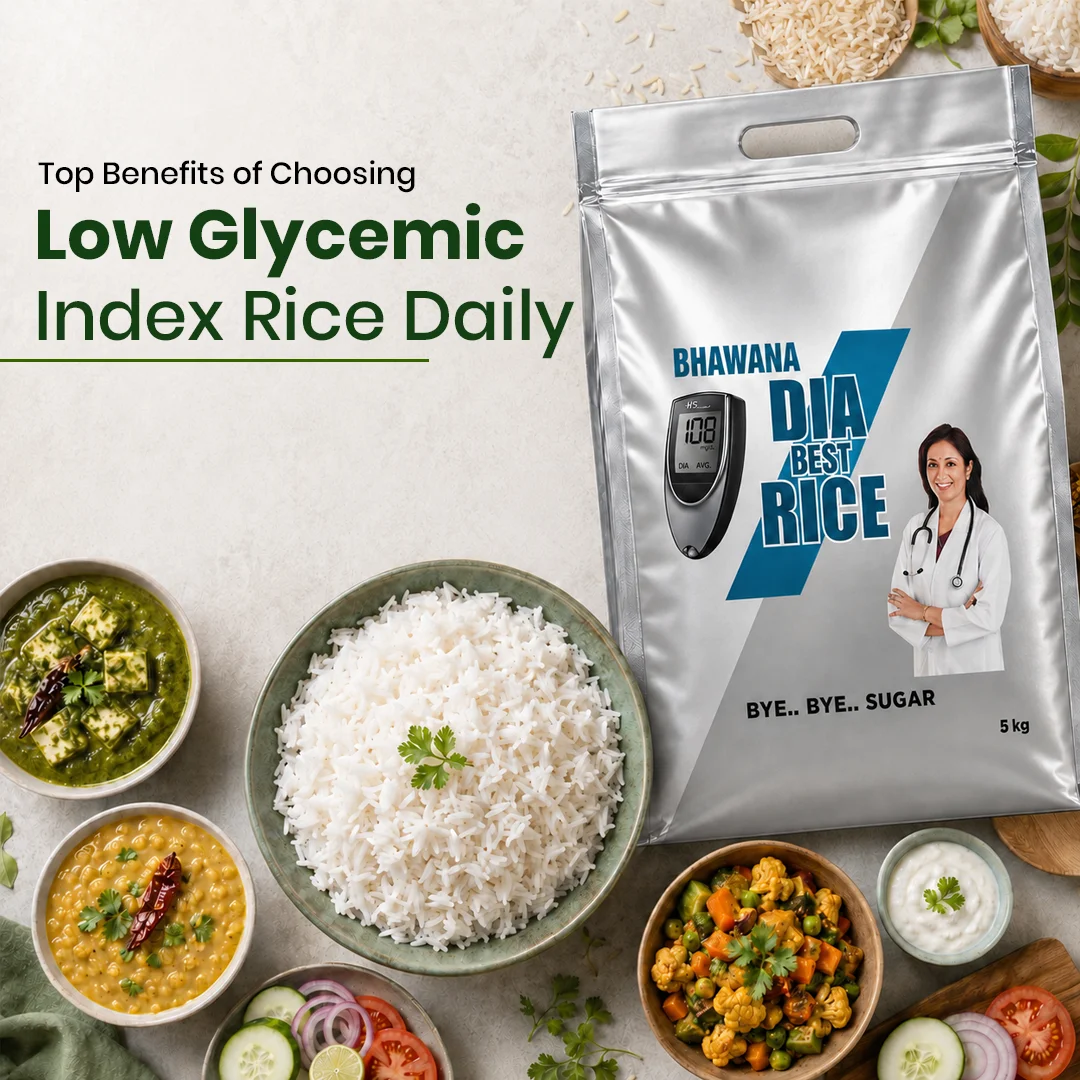
Rice is comfort food in most Indian homes. From hot steamed rice with dal to homemade lunch boxes and family dinners, it is something people eat almost every single day. But in recent years, many families have started becoming more careful about the kind of rice they consume regularly. Rising diabetes cases, lifestyle disorders, and unhealthy eating patterns have pushed people to rethink everyday food habits.
That is where low-GI rice is slowly changing the conversation around healthy eating. Instead of asking people to completely stop eating rice, it offers a smarter and more balanced option for daily meals.
For many people, the biggest challenge is finding food that feels normal, tastes satisfying, and still supports health goals. This is why low-GI rice for diabetics is gaining attention among families looking for practical dietary changes that are easier to maintain long-term.
What Makes Low GI Rice Different?
Most regular polished rice digests very quickly inside the body. As a result, glucose enters the bloodstream faster, which can lead to sudden increases in blood sugar levels. This becomes a concern, especially for people trying to manage diabetes or maintain healthier eating habits.
Rice with a low glycemic index behaves differently. Since it digests more slowly, glucose release also happens gradually. Instead of sudden spikes and crashes, the body receives a steadier energy supply.
This slower digestion process is the reason many nutrition-conscious individuals now prefer diabetic-friendly rice for daily consumption.
Helps Reduce Sudden Sugar Spikes After Meals
One of the biggest reasons people shift toward rice for sugar patients is better blood sugar stability after eating.
Many diabetic individuals notice tiredness, sleepiness, or cravings shortly after consuming regular white rice. Foods with a high glycemic response often cause rapid glucose fluctuations, which may become difficult to manage consistently.
Choosing rice for blood sugar control can help reduce these sharp post-meal sugar changes. Since digestion happens at a slower pace, the body handles glucose more steadily.
This is why many health-focused households now actively search for the best rice for diabetic patients instead of avoiding rice completely.
Keeps You Full for Longer Hours
One thing people rarely discuss about regular polished rice is how quickly hunger returns after eating it. Fast digestion often leads to early cravings, unnecessary snacking, and overeating later in the day.
Healthy rice for diabetics helps improve satiety because the digestion process is slower. Meals feel more filling and satisfying for longer durations.
For working professionals, elderly individuals, and people following structured meal plans, this becomes extremely useful because it supports the following:
- Better portion control
- Reduced binge eating
- Balanced meal timings
- Healthier eating habits
This is one reason why diabetes-friendly diet rice is becoming more popular among people trying to manage both weight and blood sugar together.
Supports Better Energy Throughout the Day
Foods that rapidly increase sugar levels are often followed by sudden energy drops. Many people experience fatigue or sluggishness after heavy carbohydrate-rich meals.
With low glycemic index rice, energy release happens gradually. Instead of quick bursts followed by crashes, the body receives more stable fuel throughout the day.
This makes a noticeable difference for people who:
- Work long hours
- Travel frequently
- Have physically active lifestyles
- Need better energy consistency
Balanced meals built around sugar-control rice may help maintain more comfortable daily energy levels without making meals feel restrictive.
Easier to Include in Everyday Indian Meals
One reason many diets fail is because they force people to completely change their food habits. That becomes difficult, especially in Indian households where rice is emotionally and culturally connected to everyday meals.
The advantage of low GI rice is that it fits naturally into normal cooking routines.
Families can still prepare:
- Dal rice
- Sambar rice
- Vegetable rice
- Homemade lunch meals
- Traditional South Indian foods
without feeling like they are following a strict medical diet.
This practicality makes healthy rice alternatives easier to follow consistently over time.
Better Choice for Long-Term Lifestyle Changes
Temporary diets rarely work for long-term wellness. Sustainable eating habits are usually built through smaller, realistic changes that people can continue comfortably.
Switching from regular rice to low GI rice for diabetics is one such practical improvement. Instead of completely removing carbohydrates, people simply make a healthier choice within their existing routine.
This balanced approach feels more manageable for families compared to extreme restrictions.
For many households, choosing the best rice for diabetes is becoming part of a broader shift toward mindful eating and preventive health awareness.
Helpful for Weight-Conscious Individuals
Blood sugar management and weight control are closely connected. Foods that digest quickly often increase hunger frequency and calorie intake.
Because rice that helps control blood sugar supports better satiety, it may also help individuals trying to maintain a healthier body weight.
People searching for low-carb rice for diabetics are often looking for foods that feel lighter while still being filling enough for regular meals.
When combined with:
- Balanced nutrition
- Daily activity
- Proper hydration
- Consistent meal routines
Growing Demand Across Andhra Pradesh and Telangana
Rice is deeply connected to food culture in South India. This is why awareness around healthier rice choices is increasing rapidly across Telugu states.
More families are now looking for the best low GI rice in Andhra Pradesh and the best low GI rice in Telangana because they want better alternatives that suit their regular eating habits.
People no longer want food that only tastes good. They also want ingredients that support:
- Better wellness
- Smarter nutrition
- Sugar-conscious eating
- Family health goals
This shift in awareness is creating stronger interest in healthier rice varieties across urban and semi-urban households.